Everything You Need to Know About Oral Surgery Recovery
Oral Surgery recovery, including healing stages, aftercare tips, foods to eat, recovery timelines, and expert care from Yorktowne Dental Group.
Recovering from a dental procedure is an important step toward restoring your oral health. Whether you need a tooth extraction, bone graft, or another treatment, proper aftercare helps reduce discomfort, prevent complications, and support faster healing. Knowing what to expect after Oral Surgery can help you feel more confident and prepared throughout your recovery.
Patients in Elkins Park, Jenkintown often ask how long healing takes and what they should do at home. Recovery time varies depending on the procedure and your overall health, but following your dentist’s instructions, eating soft foods, and attending follow-up appointments can make the process smoother.
At Yorktowne Dental Group, we provide personalised care before and after treatment to help every patient recover safely and comfortably after Oral Surgery.
What Is Oral Surgery?
Oral Surgery includes surgical procedures performed on the teeth, gums, jawbone, and surrounding tissues to restore oral health, relieve pain, or improve function. Dentists recommend this treatment when other dental procedures cannot effectively solve the problem.
Common procedures include:
- Wisdom tooth removal
- Tooth extractions
- Dental implant placement
- Bone grafting
- Jaw surgery
- Treatment of oral infections
- Oral tissue biopsy
Some patients require this procedure before receiving Restorative Dentistry treatments to create a strong foundation for long-term results.
Sedation Dentistry helps anxious patients feel more comfortable during treatment. Oral and maxillofacial surgery helps restore the health and function of the mouth and jaws.
Patients with missing teeth may also combine Dental Implants with this treatment for a permanent tooth replacement solution.
When Is Oral Surgery Recommended?
Your dentist may recommend Oral Surgery if you have:
- Impacted wisdom teeth
- Severe tooth decay
- Missing teeth
- Jawbone loss
- Advanced gum disease
- Facial injuries
- Oral cysts or tumours
- Chronic dental infections
Treating these conditions early helps prevent further pain, infection, and more complex dental problems. Patients in Jenkintown, Pennsylvania benefit from early diagnosis and personalised treatment plans that support faster recovery and long-term oral health.
What Should You Expect After Oral Surgery?
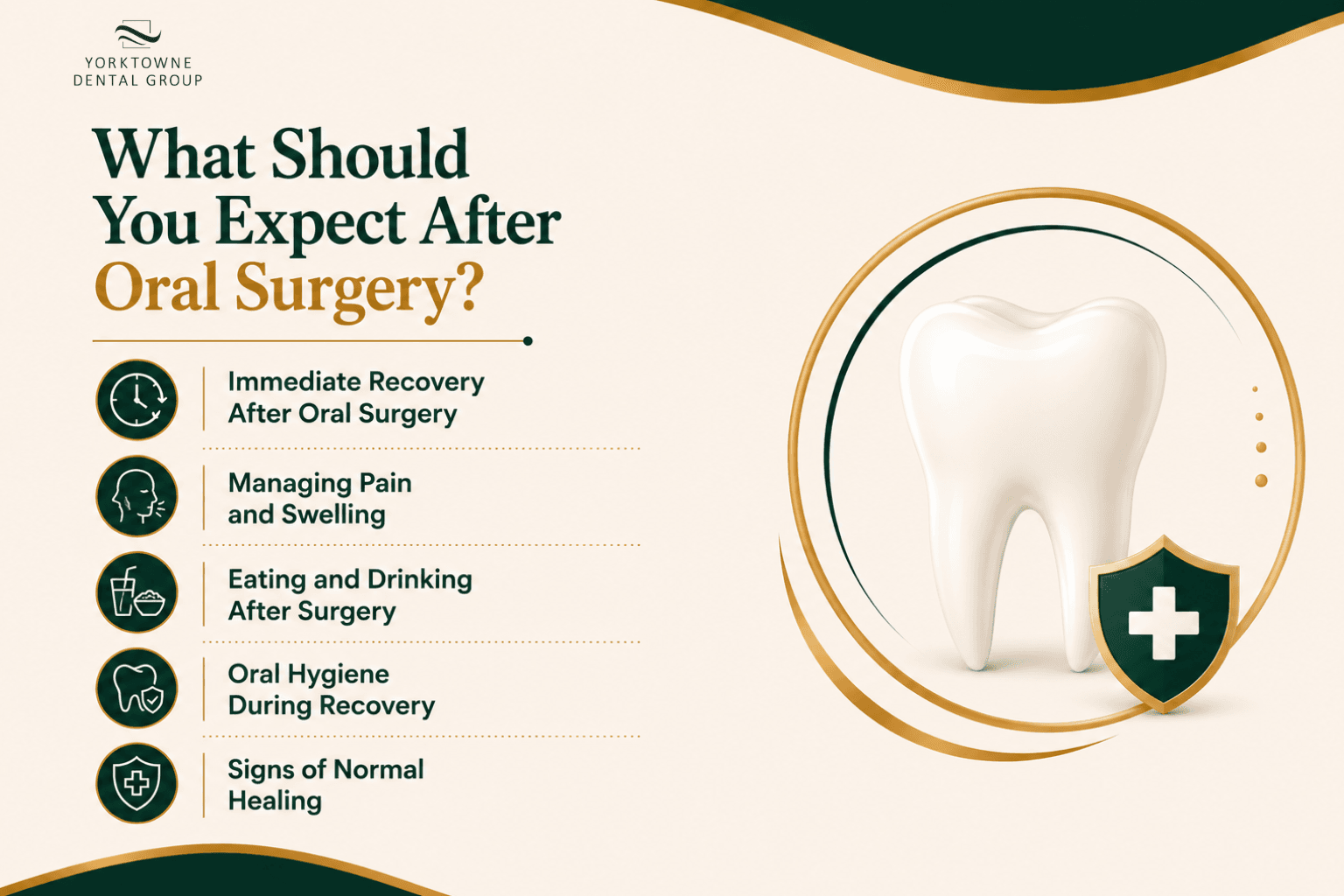
Recovery begins immediately after Oral Surgery, with the first 24–48 hours being the most important. During this time, your body forms a protective blood clot that supports healing. Mild swelling, slight bleeding, jaw stiffness, and temporary discomfort are common and usually improve within a few days.
Immediate Recovery After Oral Surgery
- Rest and Recovery: Rest as much as possible during the first 24–48 hours. Keeping your head elevated helps reduce swelling and supports the healing process.
- Control Bleeding: Bite gently on the gauze provided by your dentist and replace it only as instructed. This helps the blood clot form properly.
- Reduce Swelling: Apply an ice pack to the outside of your face for 15–20 minutes at a time during the first day to minimise swelling and discomfort.
Managing Pain and Swelling
- Take Medications: Use all prescribed medications exactly as directed to control pain and prevent infection.
- Cold Compresses: Applying cold packs during the first 24 hours helps reduce swelling and provides temporary pain relief.
- Soft Food Diet: Eat soft foods and stay hydrated to avoid putting pressure on the surgical area while it heals.
Eating and Drinking After Surgery
- Soft Foods: Choose foods such as yogurt, mashed potatoes, oatmeal, scrambled eggs, and soup that are easy to chew and swallow.
- Stay Hydrated: Drink plenty of water throughout the day, but avoid drinking through a straw because suction can disturb the healing blood clot.
- Avoid Certain Foods: Stay away from crunchy, spicy, sticky, and very hot foods until your dentist confirms the surgical site has healed.
Oral Hygiene During Recovery
- Gentle Brushing: Brush your teeth carefully while avoiding the surgical area during the first few days.
- Salt Water Rinse: Rinse gently with warm salt water after the first 24 hours if your dentist recommends it.
- Prevent Infection: Avoid vigorous rinsing, spitting, or touching the surgical site to protect the healing tissues.
Signs of Normal Healing
- Reduced Swelling: Swelling and discomfort should gradually decrease within 48–72 hours after surgery.
- Healthy Gum Healing: The gums should begin closing around the surgical area, and tenderness should lessen each day.
- Improved Function: Chewing, speaking, and opening your mouth should become easier as healing progresses. Some patients may later consider Orthodontics to improve bite alignment.
What Are the Different Stages of Oral Surgery Recovery?
Recovery after Oral Surgery happens in several stages, and each stage is important for proper healing. Every patient heals differently depending on the type of procedure, overall health, and how well they follow post-operative instructions.
Patients in Pennsylvania can support a smooth recovery by taking medications as directed, maintaining good oral hygiene, and attending follow-up appointments.
Stage 1: First 24 Hours
The first day is the most important because your body forms a protective blood clot over the surgical site.
During this time:
- Rest as much as possible.
- Keep your head elevated.
- Apply ice packs to reduce swelling.
- Take medications as prescribed.
- Drink plenty of water.
Avoid:
- Smoking or vaping
- Using a straw
- Spitting forcefully
- Crunchy or spicy foods
- Heavy exercise
Patients planning cosmetic smile improvements often complete Dental Veneers after healing to achieve the best results.
Stage 2: Days 2–3
Swelling and jaw stiffness usually peak during the second and third day, but these symptoms gradually improve. Following the proper aftercare routine helps your Oral Surgery recovery progress normally.
During this stage:
- Continue eating soft foods.
- Gently rinse with salt water if advised.
- Brush carefully around the surgical site.
- Continue taking prescribed medications.
According to Oral Surgery Recovery Timeline, following proper aftercare during the first week supports smoother healing and reduces complications.
Stage 3: Days 4–7
By the end of the first week, most patients notice less swelling and discomfort. Daily activities become easier, but the surgical site is still healing.
Continue to:
- Eat soft foods.
- Maintain gentle oral hygiene.
- Attend follow-up appointments.
- Avoid chewing directly on the treated area.
Some patients may discuss future Endodontics treatment if additional care is needed after recovery.
Stage 4: Weeks 2–4
During the following weeks, your gums continue healing, and most discomfort has resolved. Proper care after Oral Surgery helps the tissues recover and lowers the risk of complications.
You may notice:
- Healthier gum tissue
- Better chewing ability
- Improved jaw movement
- Reduced sensitivity
Patients interested in enhancing their smiles often choose Teeth Whitening after healing because treatment is more effective once the mouth has fully recovered.
Stage 5: Long-Term Healing
Although you may feel better within a few weeks, complete bone healing can take several months, especially after dental implant placement or bone grafting.
Regular follow-up visits allow your dentist to monitor healing and ensure the best outcome. The resource Oral and maxillofacial surgery explains that healing time depends on the procedure and the patient’s overall health.
Patients with a history of gum disease may also benefit from Periodontics to maintain healthy gums after recovery.
Oral Surgery Recovery Timeline
| Recovery Stage | What to Expect | Recommended Care |
|---|---|---|
| First 24 Hours | Bleeding, swelling, numbness | Rest, ice packs, medication |
| Days 2–3 | Peak swelling and discomfort | Soft foods, hydration, salt-water rinses |
| Days 4–7 | Reduced swelling, improved comfort | Gentle brushing, light activities |
| Weeks 2–4 | Continued gum healing | Follow-up visits, gradual diet progression |
| Several Months | Complete bone healing | Regular dental check-ups |
What Foods Can You Eat After Oral Surgery?
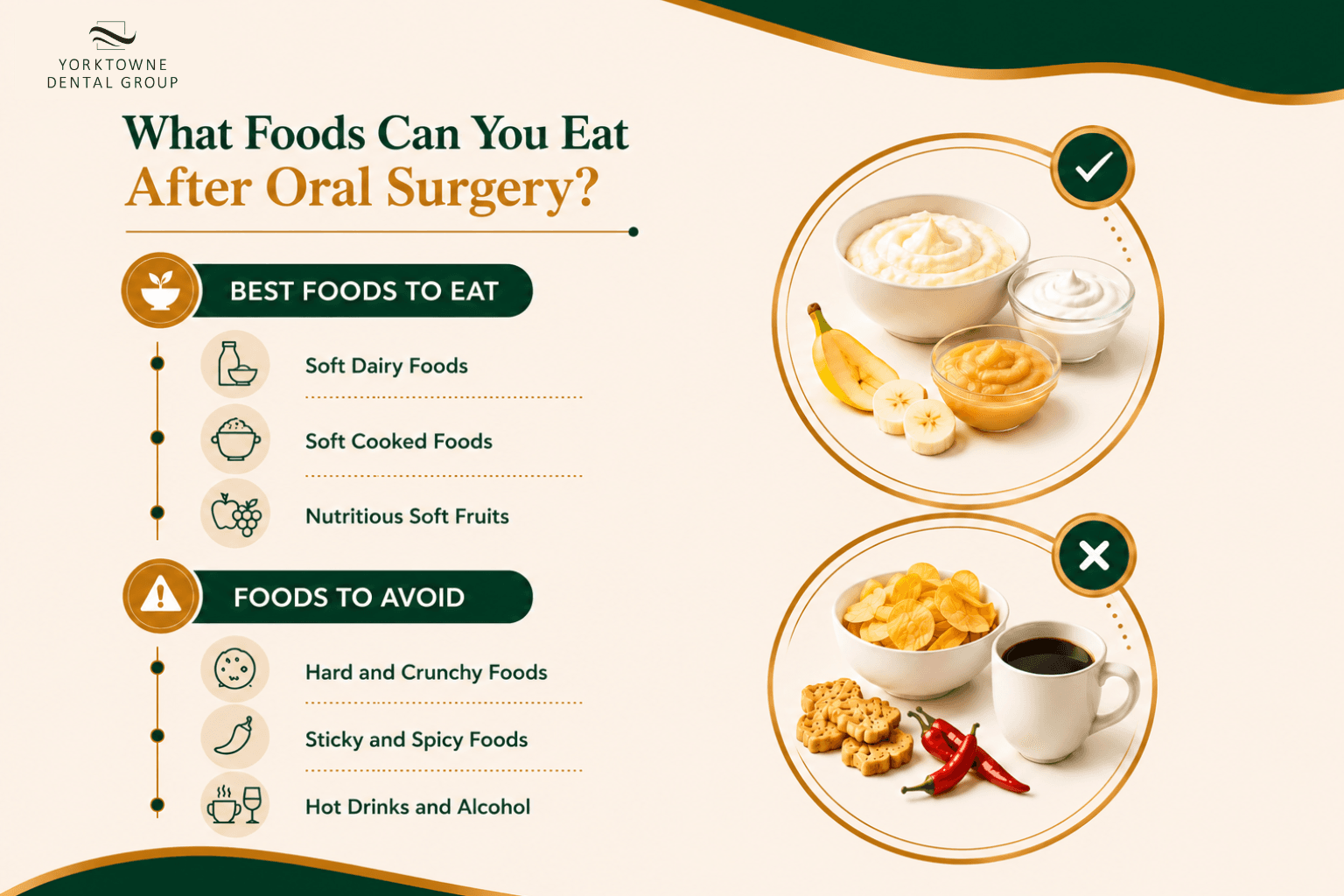
Eating the right foods after Oral Surgery helps protect the surgical site and supports faster healing. During the first few days after surgery, choose soft, easy-to-chew foods and drink plenty of water. Patients recovering in Jenkintown should avoid very hot foods until the numbness has completely worn off.
Best Foods to Eat
- Soft Dairy Foods: Yogurt, cottage cheese, and pudding are gentle on the surgical area while providing calcium and protein to support healing.
- Soft Cooked Foods: Mashed potatoes, scrambled eggs, oatmeal, and lukewarm soup are easy to chew and help you stay nourished without irritating the surgical site.
- Nutritious Soft Fruits: Applesauce, mashed bananas, and smoothies without using a straw provide essential vitamins while remaining easy to eat.
- Gradually Add Solid Foods: As healing improves, slowly introduce soft pasta, rice, soft-cooked vegetables, tender fish, and shredded chicken into your diet.
Patients attending Family and General Dentistry check-ups should continue practising gentle oral hygiene while following a soft-food diet.
Foods to Avoid
- Hard and Crunchy Foods: Avoid popcorn, potato chips, nuts, and crunchy vegetables because they can damage the healing tissue or become trapped in the surgical area.
- Sticky and Spicy Foods: Hard candy, sticky sweets, and spicy foods may irritate the surgical site and delay the healing process.
- Hot Drinks and Alcohol: Very hot beverages and alcohol can increase irritation and interfere with proper healing during the early recovery period.
According to Oral Surgery Procedures and Recovery, avoiding irritating foods during the early healing period supports proper recovery. A balanced diet rich in protein, calcium, vitamin C, and water also helps speed up healing after Oral Surgery.
Patients interested in modern treatment options often explore Dental Technology after recovery for more precise and comfortable dental care.
Why Choose Yorktowne Dental Group?
Choosing an experienced dental team can make your treatment and recovery more comfortable. At Yorktowne Dental Group, we provide expert Oral Surgery care along with Cosmetic Dentistry, using advanced technology, personalised treatment plans, and compassionate support.
Patients from Jenkintown, Pennsylvania choose Yorktowne Dental Group because we offer:
- Comprehensive dental evaluations
- Personalised treatment plans
- Modern surgical techniques
- Advanced diagnostic imaging
- Detailed recovery instructions
- Compassionate patient care
If you need urgent treatment because of severe pain, infection, or dental trauma, our Emergency Dentistry services provide prompt care when you need it most. Every Oral Surgery patient receives continued follow-up care to support long-term oral health.
Conclusion
A successful recovery depends on following your dentist’s instructions after Oral Surgery, eating nutritious foods, maintaining good oral hygiene, and attending follow-up appointments. These simple steps help reduce complications and support faster healing after Oral Surgery.
Patients throughout Elkins Park, Jenkintown trust Yorktowne Dental Group for expert care, advanced treatment, and personalised support. Whether you need a simple extraction or a complex procedure, our team is committed to helping you achieve a healthy, confident smile.
Schedule your consultation with Yorktowne Dental Group. Contact us today and take the first step toward a healthier, more confident smile.
Frequently Asked Questions
1. How long does Oral Surgery recovery take?
Most patients recover within one to two weeks after Oral Surgery, while complete bone healing may take several months.
2. When can I eat normal foods after Oral Surgery?
You can gradually return to your regular diet as healing progresses and your dentist confirms it is safe.
3. Is swelling normal after Oral Surgery?
Yes. Mild swelling is common after Oral Surgery and usually improves within 48–72 hours.
4. When should I contact my dentist?
Call your dentist if you experience heavy bleeding, severe pain, fever, pus, or swelling that gets worse instead of better after surgery.
5. Can I brush my teeth after Oral Surgery?
Yes. Brush gently and avoid the surgical site until your dentist advises you to resume normal brushing.