
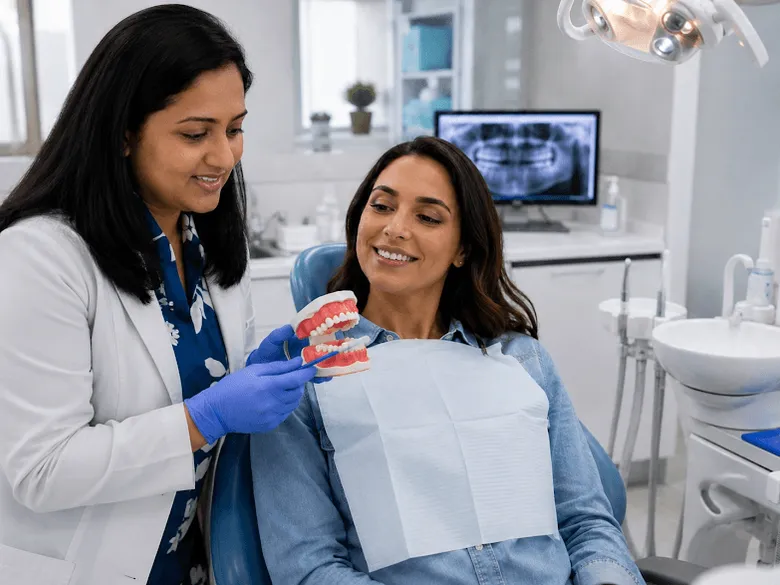
What Is Preventive Dentistry?
Preventive dentistry focuses on maintaining healthy teeth and gums and preventing dental problems before they develop. Regular dental exams, professional cleanings, preventive treatments, and good at-home oral hygiene can help reduce the risk of cavities, gum disease, enamel damage, and tooth loss.
Preventive dental care is important for patients of all ages. By identifying potential concerns early, our dental team can often provide simpler, more comfortable treatment while helping you maintain a healthy smile for years to come.
Keep Your Smile Healthy
BOOK YOUR PREVENTIVE DENTAL VISIT
Benefits of Preventive Dentistry
Consistent preventive dental care can help:
- Reduce the risk of cavities and tooth decay.
- Prevent or manage gum disease.
- Detect dental problems in their earliest stages.
- Reduce the need for extensive or costly dental treatment.
- Support fresh breath and a cleaner, healthier smile.
- Protect your natural teeth.
- Monitor changes in your teeth, gums, bite, and overall oral health.
- Help children develop healthy dental habits early in life.
Routine dental visits also provide an opportunity for personalized oral hygiene education and early detection of concerns such as cavities, gum disease, and other oral health conditions.
What Does Preventive Dentistry Involve?
Routine Dental Examinations
Professional Dental Cleanings
Digital Dental X-Rays
Gum Health Evaluations
Fluoride Treatments
Dental Sealants
Oral Cancer Screenings
Personalized At-Home Oral Hygiene Guidance
Our dental team can recommend appropriate brushing and flossing techniques, oral care products, dietary habits, and other preventive strategies based on your unique oral health needs.
Tips for Maintaining a Healthy Smile
Preventive dental care continues at home. Follow these simple habits to protect your teeth and gums:
- Brush twice daily with fluoride toothpaste.
- Clean between your teeth every day using floss or a dentist-recommended interdental cleaner.
- Replace your toothbrush or brush head regularly, especially when bristles become worn.
- Limit frequent consumption of sugary foods and beverages.
- Drink plenty of water throughout the day.
- Avoid smoking and tobacco products.
- Wear a protective mouthguard during contact sports.
- Never use your teeth to open packages or bite hard objects.
- Schedule regular dental exams and professional cleanings as recommended.
- Contact your dental office if you experience tooth pain, sensitivity, bleeding gums, swelling, or other changes in your mouth.
Book Appointment


