
Pain-Free Dental Care: The Reality of Modern Root Canal Treatment
Discover comfortable Root Canal Treatment, including the procedure, benefits, warning signs, recovery, and how Yorktowne Dental Group restores healthy smiles.
Introduction
Many people think Root Canal Treatment is painful, but modern dentistry has changed that perception. With advanced technology and effective anesthesia, this procedure is now more comfortable than ever, helping remove infection, relieve pain, and preserve your natural tooth.
Delaying treatment can allow infection to worsen, leading to severe pain or tooth loss. At Yorktowne Dental Group, patients receive personalized care designed to make the experience comfortable while protecting their long-term oral health.
Patients in Elkins Park, Jenkintown can benefit from early Root Canal Treatment, which may help prevent more complex dental procedures in the future.
What Is Modern Root Canal Treatment?
Root Canal Treatment removes infected or damaged pulp from inside a tooth. The canals are cleaned, disinfected, and sealed to stop bacteria from returning while preserving the natural tooth.
Modern techniques, digital imaging, and precise instruments have made the procedure faster, safer, and more comfortable than ever. These advanced approaches provide effective Root Canal Treatment Solutions that help remove infection, preserve natural teeth, and support long-term oral health.
Many patients who explore Restorative Dentistry find that preserving their natural tooth through this procedure is often the best option.
Common reasons for Root Canal Treatment include:
- Deep tooth decay
- Cracked or damaged teeth
- Severe tooth infection
- Dental injury
- Persistent tooth pain or sensitivity
The external guide Root Canal Treatment Procedure explains how modern techniques safely remove infection while protecting healthy tooth structure.
After treatment, some patients also choose Cosmetic Dentistry to improve the appearance of their smile.
Patients across Jenkintown, Pennsylvania appreciate that Root Canal Treatment helps save natural teeth and reduces the need for future dental work.
Is Root Canal Treatment Really Pain-Free?
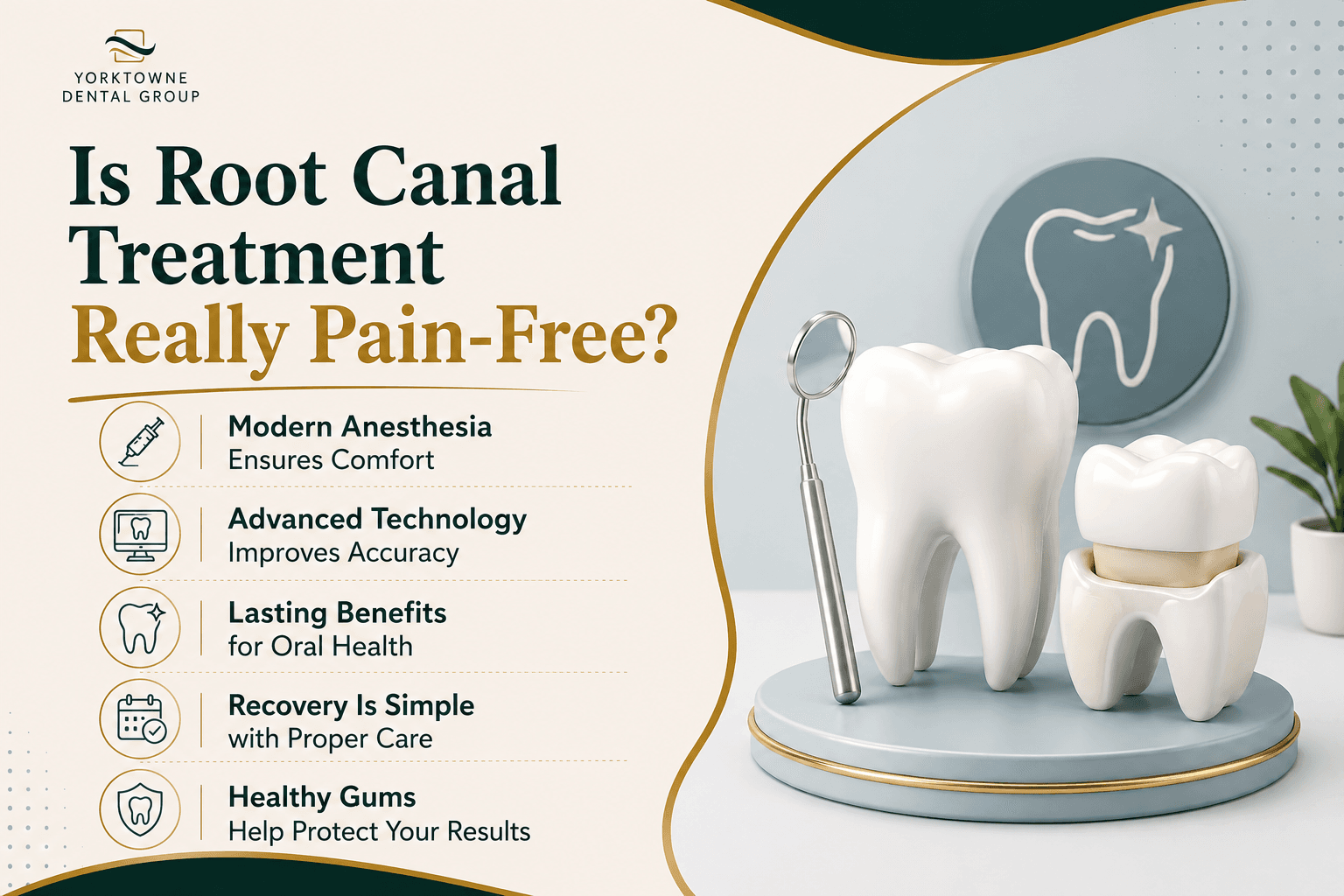
Many people still think Root Canal Treatment is painful, but modern dentistry has changed that completely. With advanced technology, improved techniques, and effective local anesthesia, the procedure is designed to relieve pain, not cause it. Most patients experience little discomfort during treatment and feel significant relief once the infection is removed.
1. Modern Anesthesia Ensures Comfort
Before treatment begins, your dentist uses local anesthesia to numb the affected tooth completely. Most patients feel only slight pressure instead of pain, making the procedure comfortable.
- Complete numbness during treatment
- Minimal discomfort with mild pressure
2. Advanced Technology Improves Accuracy
Modern digital X-rays and rotary instruments allow dentists to perform the procedure with greater precision while preserving healthy tooth structure.
- Digital X-rays improve diagnosis and treatment planning.
- The Root Canal Treatment Procedure uses advanced instruments to clean root canals safely and accurately.
3. Lasting Benefits for Oral Health
Timely treatment protects your oral health and helps save your natural tooth before the infection worsens.
- Relieves severe tooth pain and removes infection.
- Preserves your natural tooth and restores normal chewing.
4. Recovery Is Simple with Proper Care
Most patients recover quickly by following their dentist’s instructions and maintaining good oral hygiene.
- Brush and floss daily to keep the treated tooth clean.
- Attend follow-up appointments to support proper healing.
Regular Preventive Dentistry visits also help detect dental problems early and reduce the risk of future infections.
5. Healthy Gums Help Protect Your Results
Healthy gums play an important role in the long-term success of treatment. Regular gum care helps protect the treated tooth and maintain overall oral health.
- Healthy gum tissue supports the restored tooth.
- Regular Periodontics care promotes long-term gum health.
According to Root Canal Treatment for Infection, prompt treatment removes harmful bacteria and prevents the infection from spreading. Patients throughout Pennsylvania continue to benefit from modern care, enjoying comfortable treatment and lasting results after Root Canal Treatment.
What Are the Signs You May Need a Root Canal?
An infected or damaged tooth often gives warning signs before the condition becomes severe. Recognizing these symptoms early can help you receive Root Canal Treatment before the infection spreads or causes permanent damage. If you notice any of the following signs, schedule a dental examination as soon as possible to protect your oral health and preserve your natural tooth.
Persistent Tooth Pain
- Constant discomfort: Ongoing tooth pain that doesn’t go away may indicate an infected dental pulp.
- Pain while chewing: Discomfort when biting or chewing can be a sign that the tooth’s inner tissues are inflamed or damaged.
Sensitivity to Hot and Cold
- Lingering sensitivity: Pain that continues after eating or drinking something hot or cold may suggest nerve damage inside the tooth.
- Increased discomfort: Sensitivity that becomes more frequent or severe often requires professional evaluation.
Swollen or Tender Gums
- Gum inflammation: Swelling or tenderness around a specific tooth may indicate an underlying infection.
- Small gum abscess: A pimple-like bump on the gums can be a sign that bacteria have spread beyond the tooth root.
Tooth Discoloration
- Darkened tooth: A tooth that turns gray or darker than surrounding teeth may have damaged pulp tissue. After treating the underlying issue, Dental Veneers may be considered to improve the tooth’s appearance.
- Internal damage: Discoloration often occurs when the tooth no longer receives a healthy blood supply.
Loose or Cracked Tooth
- Tooth Mobility: Infection can weaken the supporting structures around the tooth, causing it to feel loose or unstable.
- Visible Cracks: A cracked tooth can allow bacteria to enter the inner tissues, increasing the risk of infection and further damage.
Ignoring these symptoms can allow the infection to worsen and increase the risk of tooth loss. According to Root Canal Treatment for Infection, early treatment helps remove infection and preserve your natural tooth. Patients in Elkins Park, Jenkintown can often avoid serious complications by seeking prompt dental care.
What Happens During a Root Canal Procedure?
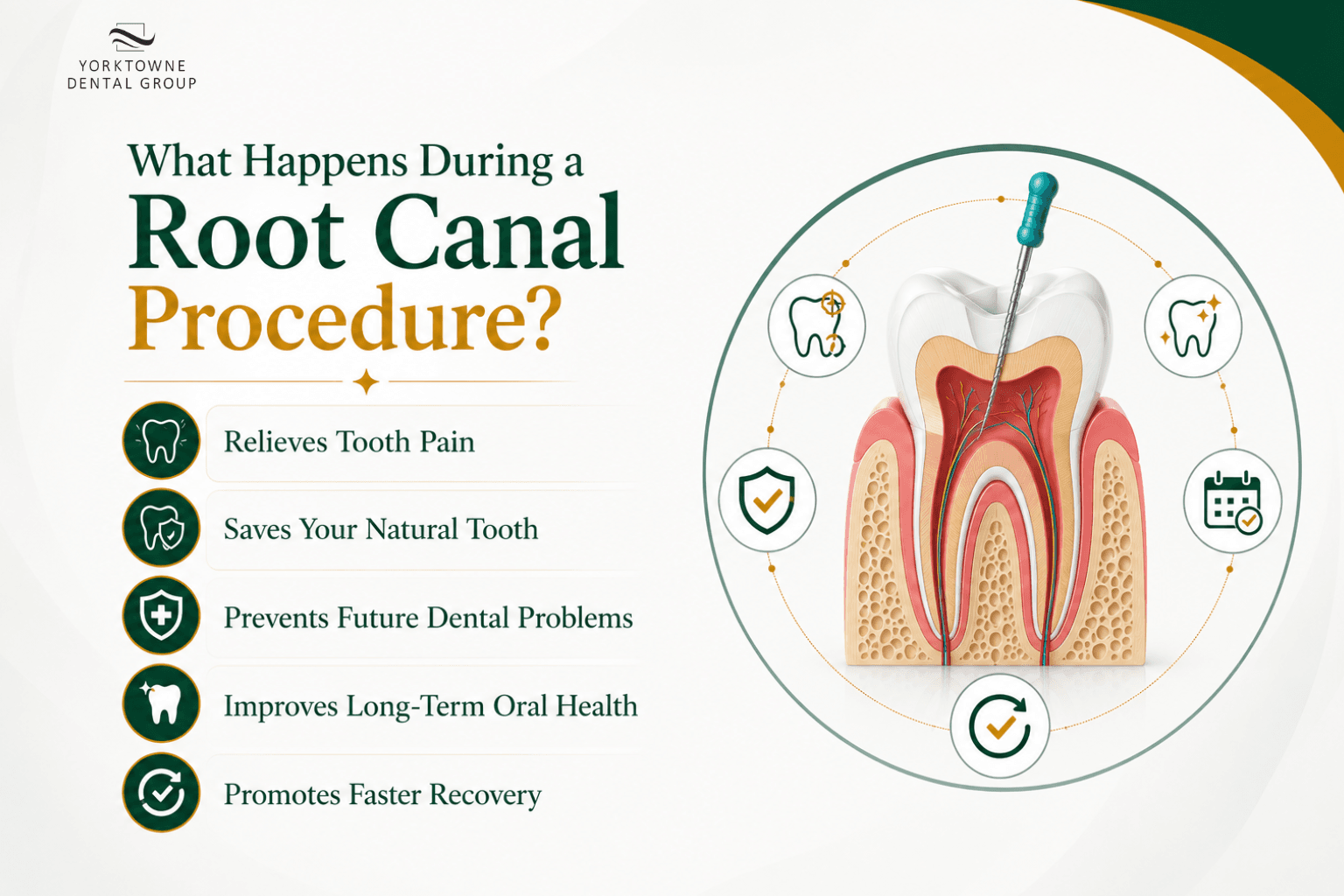
Modern Root Canal Treatment does more than eliminate infection; it helps preserve your natural tooth, restore normal function, and improve your overall oral health. Thanks to advanced dental technology and modern techniques, today’s treatment is more comfortable, efficient, and successful than ever before. Receiving treatment at the right time can also help you avoid more complex and costly dental procedures in the future.
Relieves Tooth Pain
- Eliminates Infection: The infected pulp is removed, reducing pain and stopping the infection from spreading.
- Provides Lasting Comfort: Most patients experience significant pain relief shortly after treatment.
Saves Your Natural Tooth
- Avoids Tooth Extraction: Preserving your natural tooth helps maintain your smile and bite alignment.
- Supports Normal Function: The treated tooth continues to function normally for chewing and speaking.
Prevents Future Dental Problems
- Stops Infection from Spreading: Early treatment protects nearby teeth, gums, and surrounding bone.
- Reduces Complications: Timely care lowers the risk of abscesses and more extensive dental procedures.
Improves Long-Term Oral Health
- Restores Tooth Strength: A permanent filling or dental crown helps protect the treated tooth.
- Alternative to Dental Implants: Saving your natural tooth through Root Canal Treatment may help you avoid replacing a missing tooth with Dental Implants.
Promotes Faster Recovery
- Comfortable Modern Care: Advanced technology and precise techniques reduce discomfort during and after treatment.
- Quick Return to Daily Life: Most patients resume their normal routine within a day while following simple aftercare instructions.
Choosing timely treatment helps preserve your natural smile and improve your quality of life. According to Root Canal Treatment Solutions, saving a natural tooth is often the most effective long-term solution for maintaining oral health.
Patients in Jenkintown continue to benefit from modern dental care that delivers comfortable treatment, predictable results, and long-lasting protection for their smiles.
Key Facts About Root Canal Treatment
| Topic | Key Information |
|---|---|
| Is Root Canal Treatment Pain-Free? | Modern treatment is comfortable and helps relieve pain. |
| Why Is It Needed? | It removes infection and saves your natural tooth. |
| Common Symptoms | Tooth pain, sensitivity, swollen gums, discoloration, or a cracked tooth. |
| Who May Need It? | Patients with deep decay, tooth infection, or damaged tooth pulp. |
| Dental Examination | Your dentist checks the tooth and takes digital X-rays. |
| Local Anesthesia | The tooth is numbed to keep you comfortable. |
| Cleaning the Canals | The infected pulp is removed, and the canals are cleaned. |
| Sealing the Tooth | The canals are filled and sealed to prevent future infection. |
| Final Restoration | A filling or crown restores the tooth’s strength and function. |
| Main Benefits | Relieves pain, removes infection, and restores chewing. |
| Recovery Time | Most patients return to normal activities within 24 hours. |
| Aftercare | Brush, floss, and follow your dentist’s instructions. |
| When to Visit a Dentist | Seek care if tooth pain or swelling does not improve. |
| Long-Term Results | With proper care, the treated tooth can last for many years. |
Why Choose Yorktowne Dental Group for Root Canal Treatment?
Choosing the right dental team can make your Root Canal Treatment experience more comfortable and stress-free. Yorktowne Dental Group combines advanced technology with compassionate, patient-focused care to deliver high-quality treatment.
When you visit us, you can expect:
- Comprehensive dental examinations
- Advanced diagnostic technology
- Personalized treatment plans
- Gentle and comfortable dental care
Our team explains every step of Root Canal Treatment so you feel informed and confident before treatment begins. Patients looking to enhance their smile can also explore Teeth Whitening, while our Restorative Dentistry services help restore the health, function, and appearance of damaged teeth. Families throughout Jenkintown, Pennsylvania trust Yorktowne Dental Group for compassionate and comprehensive dental care.
Conclusion
Modern Root Canal Treatment is a safe and comfortable way to remove infection, relieve pain, and preserve your natural tooth. With advanced dental technology, most patients experience minimal discomfort and a smooth recovery. Regular General and Preventive Dentistry visits and healthy gums supported through Periodontics also help maintain long-term oral health.
If you’re experiencing tooth pain, don’t delay seeking professional care. Early treatment can protect your natural smile and prevent more serious dental problems. We provide gentle, patient-focused care using modern techniques. Patients throughout Pennsylvania trust our team for comfortable treatment and lasting results.
Don’t wait for the pain to get worse. Yorktowne Dental Group Contact us today to Schedule your consultation for Root Canal Treatment and let our experienced team help restore your healthy smile.
Frequently Asked Questions
1. Is Root Canal Treatment painful?
No. Modern Root Canal Treatment uses effective local anesthesia and advanced techniques, making the procedure similar in comfort to receiving a dental filling.
2. How long does Root Canal Treatment take?
Most treatments are completed in one or two appointments, depending on the condition of the tooth.
3. How long does a treated tooth last?
With proper oral hygiene and regular dental checkups, a tooth treated with Root Canal Treatment can last for many years.
4. Can I eat after Root Canal Treatment?
Yes. Wait until the numbness wears off and avoid chewing on the treated tooth until your dentist completes the final restoration.
5. When should I contact my dentist after treatment?
Contact your dentist if you experience severe pain, significant swelling, or symptoms that do not improve within a few days.